189,000 tons
Cainiao followed a reduce-recycle-reuse approach to cut the use of packaging materials by 189,000 tons.

1.198 L/kWh
The annual average WUE across Alibaba Cloud's self-built data centers was 1.198 L/kWh.

24.90million
The GreenNet Program has redirected a total of 24.90 million searches about wildlife trading to educational and awareness pages.

Reduce
We streamline resource inputs at the source to deliver greater value with fewer resources.
Reuse
We repair, refurbish, and reuse items wherever possible to extend their lifecycles.
Renewable resource transition
We prioritize the use of renewable resources to fuel our green transformation.
Recycle
We recycle products, packaging, and materials to extend resource lifecycles.
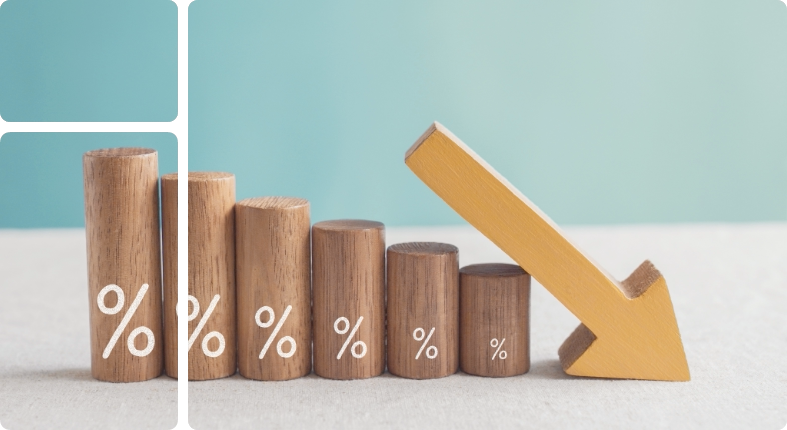
We provide harmless and easy-to-use packaging for consumers, despite the complexities of product categories, weather conditions, and transportation modes in our operating environments. Cainiao reduces the use of packaging materials and champions their recycling and reuse, harnessing technologies to address diverse challenges and balance sustainable development goals with consumer needs.
In FY2026, Cainiao followed a reduce-recycle-reuse approach to cut the use of packaging materials by 189,000 tons.
The World Meteorological Organization's State of Global Water Resources report highlights intensifying stress on global water supplies and dwindling available resources. Against this backdrop, we systematically identify, assess, and manage water risks across our operations in compliance with local regulations. Furthermore, we regularly disclose our water footprint data and continuously enhance water efficiency.
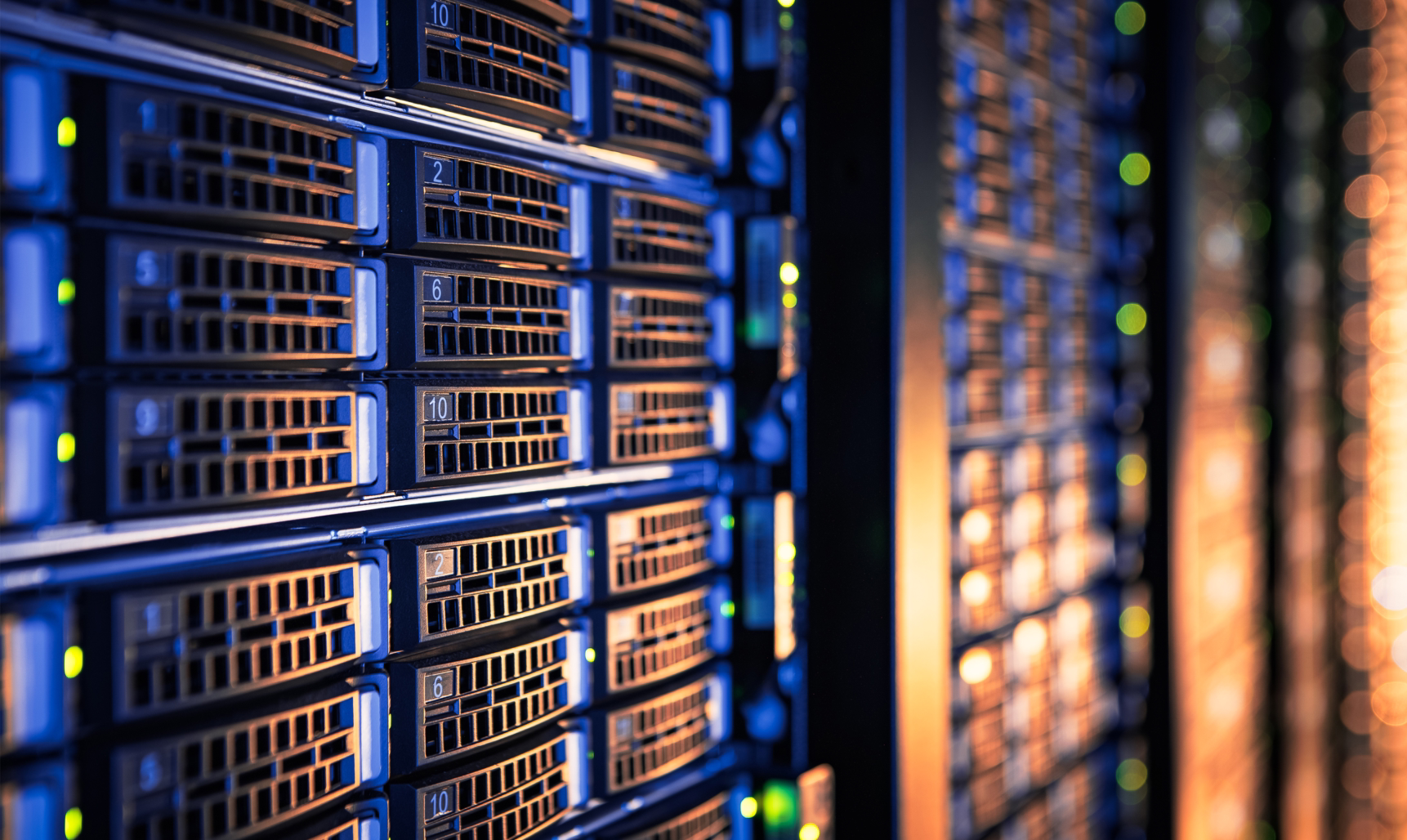
We emphasize balancing WUE and PUE for a systematic assessment of resource risks, while taking location-specific measures to reduce water consumption and improve water efficiency.

We integrate sustainable water management into both the design and operational phases of our office campuses. By adopting the "sponge city" design concept and deploying intelligent water management systems, we strive to maximize the utilization efficiency of water resources.
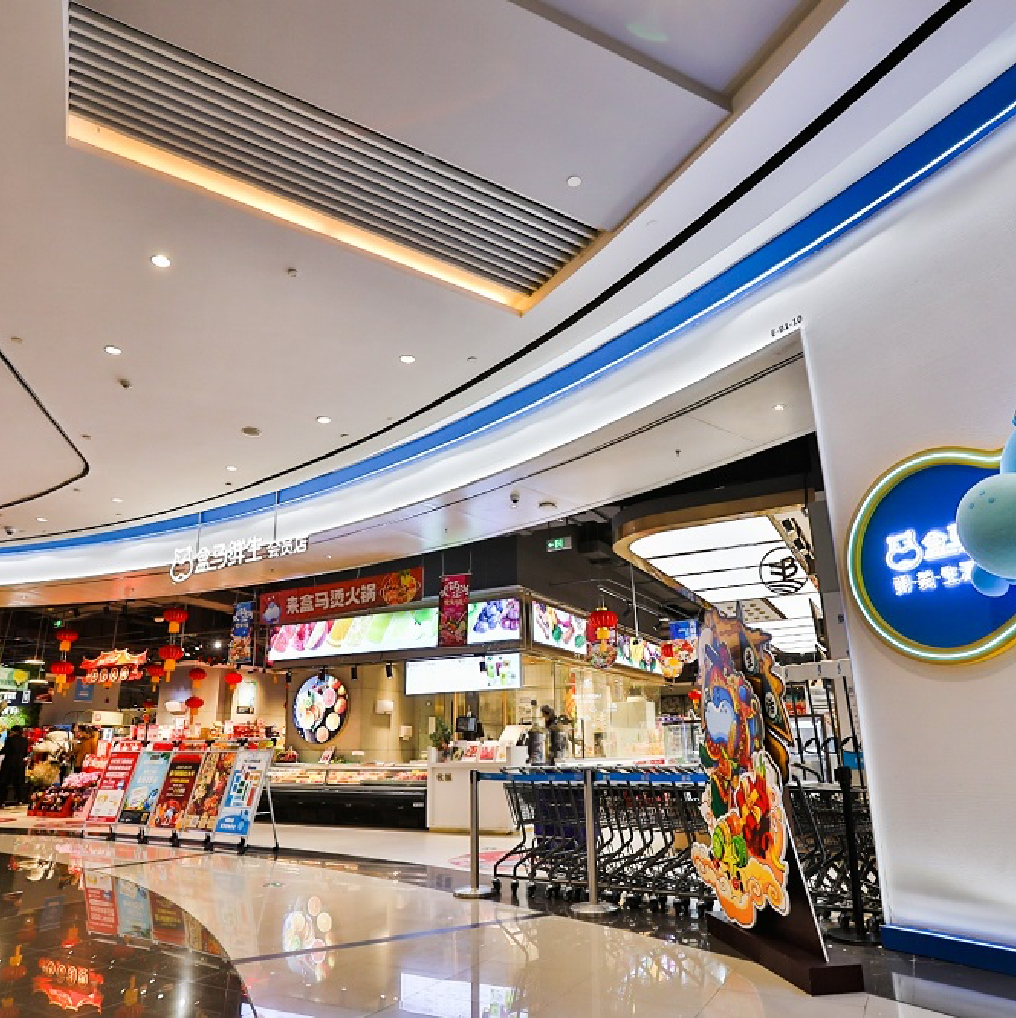
Seafood preservation is the largest contributor to Freshippo's water footprint. We actively explore efficient water-saving solutions that do not compromise product quality or customer experience.
The world generates an estimated 2.1-2.3 gigatons of municipal solid waste annually, of which only 61% to 62% is treated in controlled facilities. For compliant, efficient waste management, we adopt a two-pronged approach that focuses on waste reduction and resource recovery.
Data centers
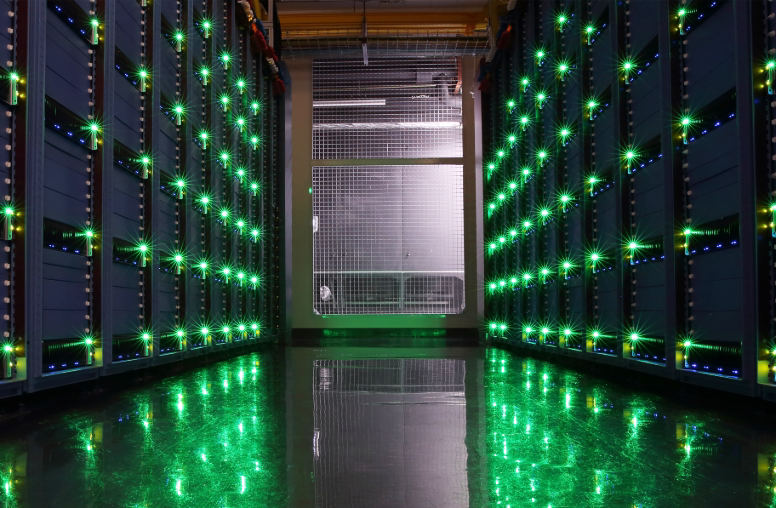
100% of hazardous waste from our self-built data centers is handled by licensed contractors. Furthermore, we have built an IT equipment recycling system to promote resource circularity.
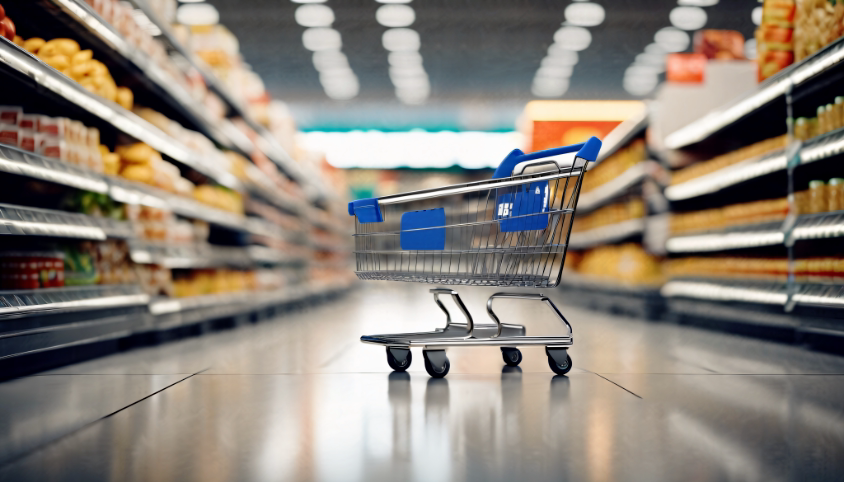
Retail spaces
Freshippo works to improve waste management, implementing specific measures to achieve 100% compliant disposal.
Office campuses
On our office campuses, we adhere to the principle of 100% compliant waste disposal. This involves digitalizing our waste management and piloting a program that converts kitchen waste into organic fertilizer to facilitate resource recycling.
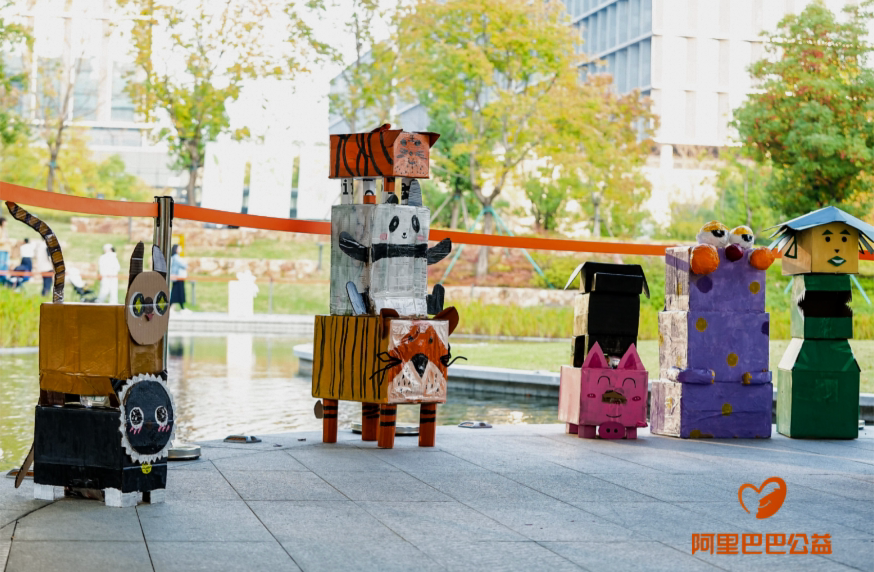

Office campuses
To mitigate and even reverse the negative environmental impact of campus construction, we integrate biodiversity into design and operations. Specifically, we use native species, diversify plant varieties to enrich vegetation layers, and create ecological corridors to foster harmony between human beings and nature.
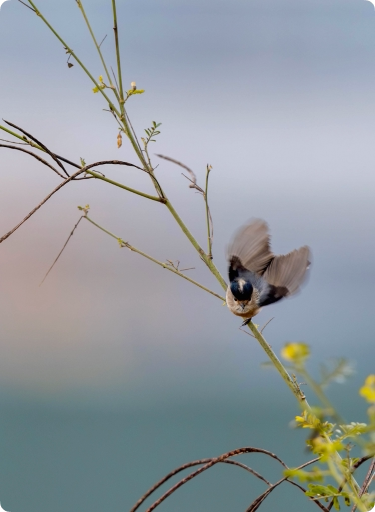
E-commerce platforms
Illegal wildlife trading poses a risk to biodiversity. On our e-commerce platforms, we address this via a dual approach. For merchants, we deploy AI algorithms to monitor text, images, and videos in real time. For consumers, we run the GreenNet Program to raise their awareness and educate them on environmental laws.


