Advancing carbon neutrality
As we pursue business growth, we weave low-carbon principles into our development strategy and daily operations to fulfill our commitment to emissions reduction.
Goals

Decarbonizing Alibaba

Scope 1Scope 2

We will achieve carbon neutrality in our own operations by 2030.

Greening the value chain

Scope 3

We will collaborate with our upstream and downstream partners to achieve a 50% reduction in the net emissions intensity of the value chain by 2030 as compared to 2020.

Enabling a digital ecosystem for the circular economy

Scope 3+

We pledge to leverage our digital platforms to encourage even broader participation from society. Between 2021 and 2035, these efforts will reduce a cumulative total of 1.5 gigatons of emissions beyond our own operations and the value chain.

Progress
Scopes 1&2Scope 3Scope 3+
Net emissions from our own operations
Unit: 10,000 tCO₂e
0
60
120
180
240
300
Base year
FY2022
FY2023
FY2024
FY2025
FY2026
Progress in FY2026
4.6%
Net emissions from our own operations totaled 2.296 million tons, down 4.6% year on year.
10.1%
The net emissions intensity in the value chain was 8.0 tons per million RMB of revenue, down 10.1% year on year.
21.3%
We engaged and enabled the platform ecosystem to avoid around 100 million tons of emissions, up 21.3% year on year.
Approaches

In 2021, we announced our carbon neutrality goals, anchored by three major approaches: tech-driven efficiency, resource transition, and ecosystem collaboration.

Tech-driven efficiency

At Alibaba, we explore and adopt various measures to conserve energy and boost efficiency.

Resource transition

We use low-carbon resources wherever feasible.

Ecosystem collaboration

We partner with diverse stakeholders to explore scenarios for decarbonization and build a green future.
Full-chain decarbonization
蓝天白云草地

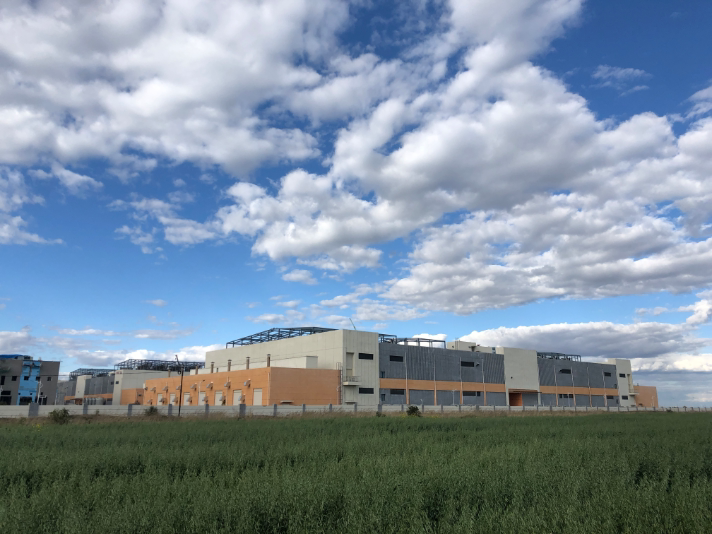
Green cloud computing

Alibaba Cloud pledges to power 100% of its operations with clean energy by 2030.
集装箱物流

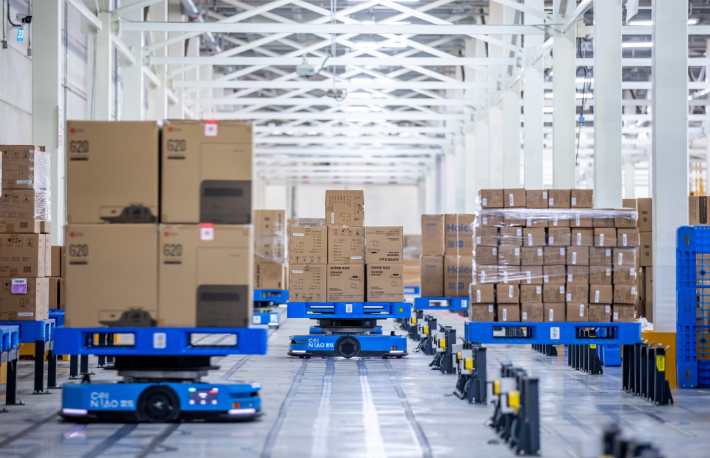
Smart circular logistics

Leveraging efficient operations, we fulfill our low-carbon commitment across all stages, including order processing, warehousing, packaging, and transportation.

绿色地球环保

Sustainable campuses

Together with our employees, we reduce emissions and build a green future by advancing smart energy management, transitioning to clean energy, and promoting resource circularity.
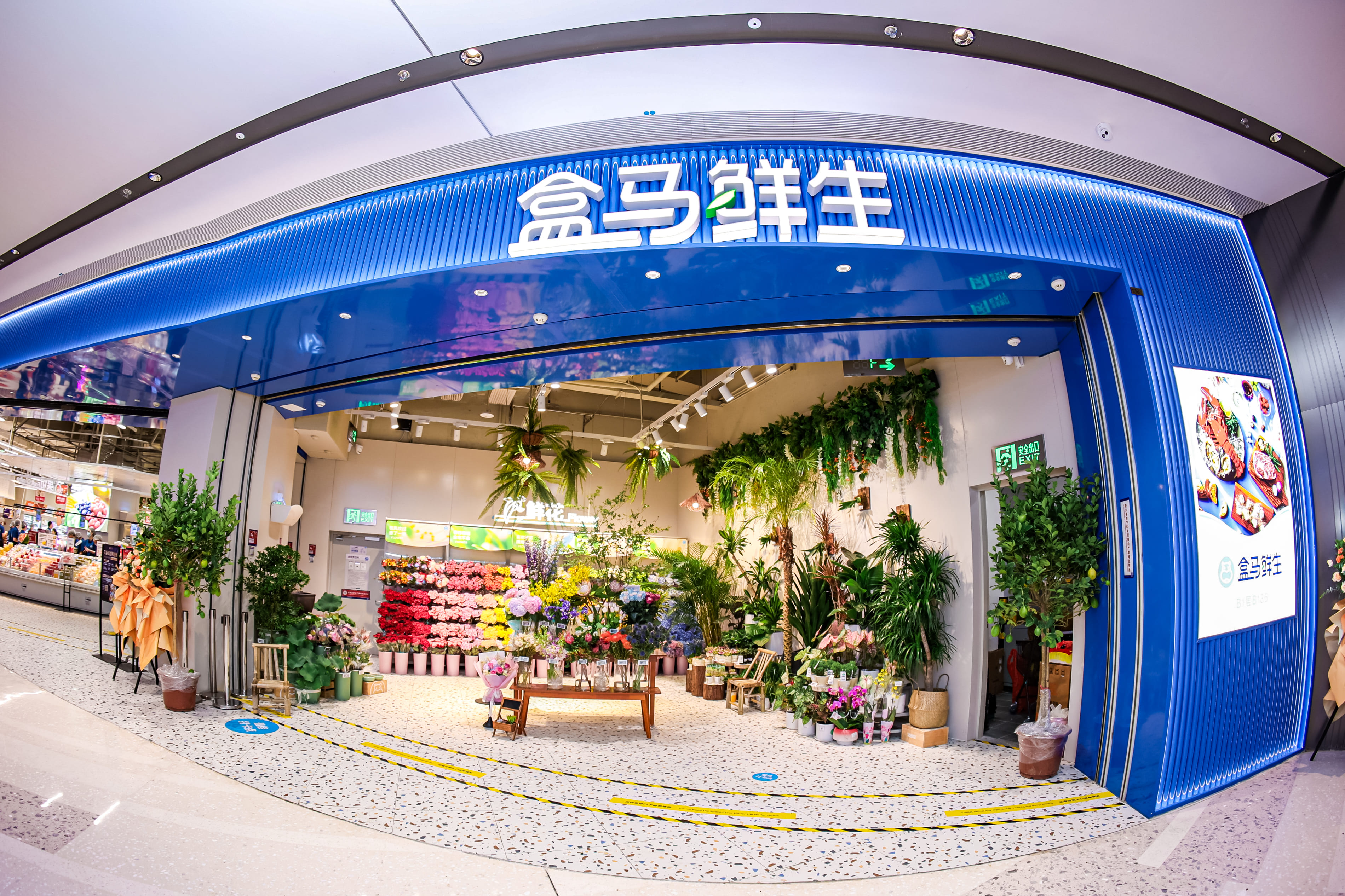
Sustainable retail spaces

Physical stores are vital touchpoints for engaging consumers in sustainability. Freshippo drives emissions reduction across key emissions sources: electricity, natural gas, and packaging.

Platform-led decarbonization

We decarbonize the platform ecosystem via two strategies: enablement and engagement. Avoided emissions in the platform ecosystem do not offset emissions from our operations and the value chain. Enablement means providing low-carbon alternatives that yield lower whole-lifecycle emissions without affecting functionality, while engagement means leveraging platform mechanics, channel operations, procurement rules, traffic routing, product tagging, and business matchmaking to scale low-carbon adoption and achieve quantifiable avoided emissions.

Engagement

Low-carbon products
Mobility
Catering
Reuse & recycling
Low-carbon products

by expanding green consumption options through e-commerce platforms and promoting the sale of low-carbon goods, GHG emissions at the consumption end are reduced.

Enablement

Cloud computing
Mobility
Digital workplace
Industry
Cloud computing

by adopting cloud computing services in lieu of on-premises data centers, users can reduce GHG emissions associated with equivalent IT workloads through consolidated infrastructure, energy efficiency optimization, high-efficiency hardware, clean energy utilization, and cloud-native scheduling capabilities.

Key capabilities

Science-based assessment

Science-based assessment ensures consistency, reproducibility, and comparability through a structured methodology framework, precise definitions of key elements (system boundaries, functional units, reference scenarios, etc.), and standardized procedures.

Digital management

Digital management leverages specialized platforms to facilitate data collection, version control, audit trails, and reproducible calculations—thereby enhancing assurance-readiness and reducing the costs of large-scale management.